The Hidden Costs of Fast Fashion
The behind-the-scenes truth about cheap clothes.
Fast fashion tin can exist likened to fast food: It's inexpensive and easy to find. And once you consume it, you're set to motility on. But there's more to the cost of fast manner than but the thrill of plunking down a few dollars for one of the latest trends . From the waste that's produced to the deaths that have resulted, there are more subconscious costs in this industry than y'all might ever have imagined.
Click through to read more than about the loftier cost of fashion trends .
Cheap Dress Don't Last
The power to buy trendy, stylish dress for a bargain is one of the reasons people shy away from luxury shopping experiences and opt for fast-fashion retailers instead. For example, the average price point for an item from disbelieve-shopping retailer H&Grand is $27.04, according to Katie Smith, retail analysis and insights managing director for Edited. But the adage, "You lot get what you pay for," applies in a big way to these garments. Fast-style retailers frequently opt for cheap materials, such as polyester, when making clothing instead of using natural and more sustainable choices, such as "better cotton." Plus, the fast-fashion manufacture'south new garments transition chop-chop from design to sales floor, and t hose methods upshot in garments that can be sold at a inexpensive toll, simply they just don't last.
Quick Trends Prompt Shoppers to Buy Now
Fashion cycles are moving more than quickly than always. Fast fashion's retail release cycle for new mode items is approximately four to six weeks. This bike is much shorter than traditional manner cycles of four to half-dozen months. The constant influx of items into these retailers leads to a problem for fast-way shoppers, especially with the selection of online shopping and numerous cheap vesture sites. Shoppers end up having an affluence of low-quality, trendy vesture in their closets that they can't get rid of easily.
Tons of Clothing Fills Landfills Every Year
U.S. consumers throw out the equivalent of approximately 8 large trash numberless per year filled with clothes and accessories, according to a study deputed by global thrift retailer Savers. Overall, that equals 26 billion pounds. The written report also found that overflowing wardrobe closets are the No. ane reason people get rid of their clothing, and one out of every three people who don't donate goods said it's just easier to throw their items away.
Fast Fashion Generates Cloth Waste matter
Fast-fashion manufacturers often opt for cheaper materials like polyester, nylon and acrylic. Unfortunately, these types of materials will take hundreds to thousands of years to biodegrade. And even if retailers choose to create clothing from semi-synthetic fibers similar rayon, Tencel or modal, the chemicals used in them during product can leach out into the ground if buried — or the air if incinerated.
Prints and Designs Are Stolen
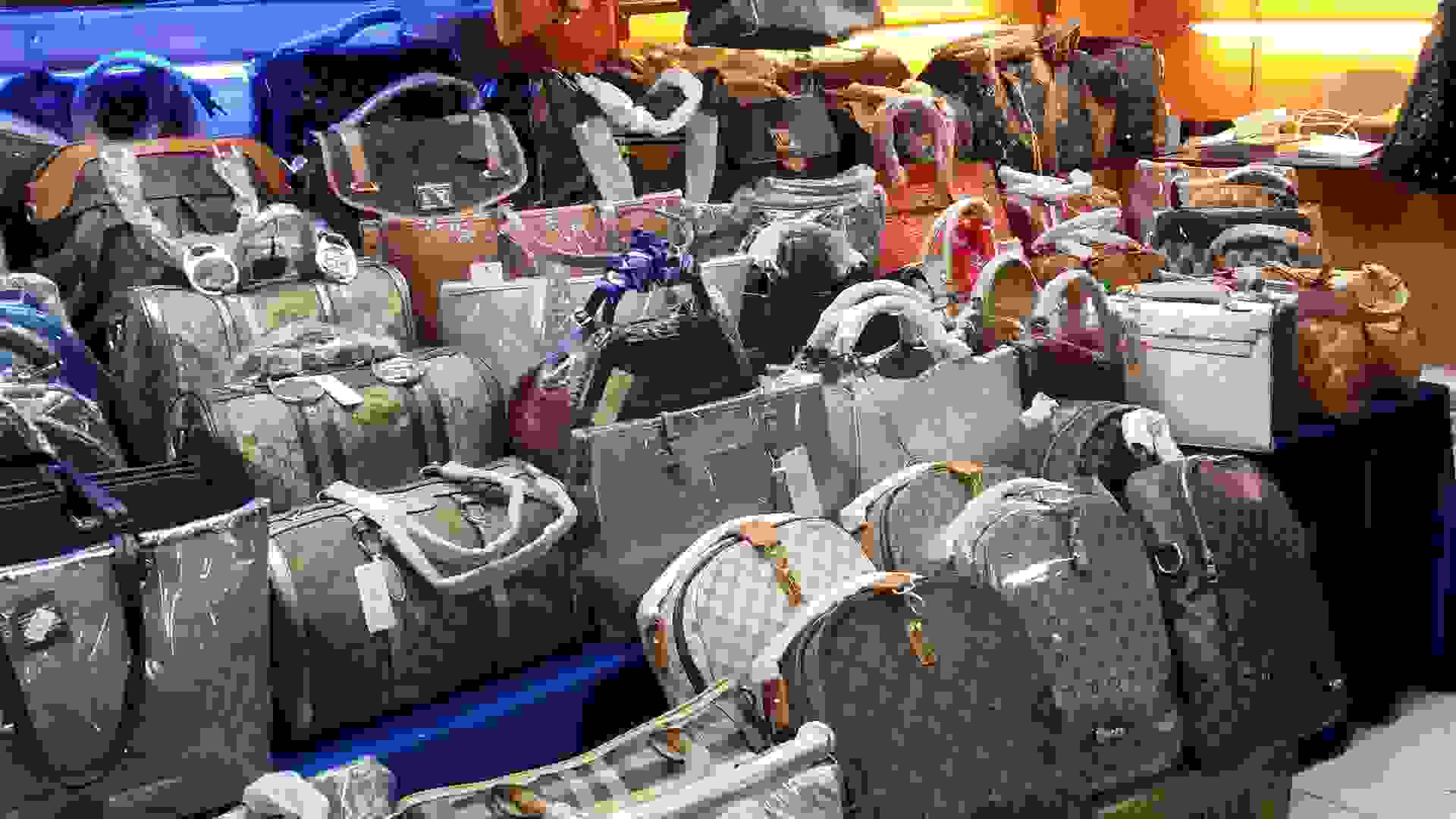
In the world of fast fashion and cheap online shopping, it's not uncommon to see knock-offs from both famous designers and lesser-known independent ones. This is because fashion, even though considered an art, is exempt from copyright laws that protect areas like pieces of art, written works and films. Although at that place are ways to protect fashion designs, the processes often are timely and expensive. To go along fast-fashion manufacturers from stealing ideas, some fashion designers take opted to offer their designs for sale direct later on fashion shows.
The U.S. Economy Can Suffer
Only about 3 percent of U.South. apparel manufacturing currently takes place domestically, according to Industry Week, a leading say-so on U.S. manufacturing. Although information technology makes sense for companies trying to turn a profit to outsource labor, doing and so contributes to the overall trade arrears in the U.S. and deprives Americans of much-needed jobs. According to Industry Calendar week, getting rid of the U.S. dress trade deficit would reduce the overall deficit by $120 billion or 25 percentage and provide close to 1 million manufacturing jobs in the U.S.
Workers Abroad Are Exposed to Unsafe Atmospheric condition
Fifty-fifty though the tragic 2013 Rana Plaza factory collapse in Bangladesh, which killed more than 1,100 and injured ii,500, prompted many positive changes in the garment manufacturing manufacture, problems with safety still exist. For example, some of these overseas factories need major structural upgrades to run into safety standards, merely the costs of these upgrades are prohibitively expensive. If the factories cull to keep operating without creating rubber work environments for their employees, it's merely a matter of time before some other tragic accident occurs.
Workers Abroad Are Paid Low Wages
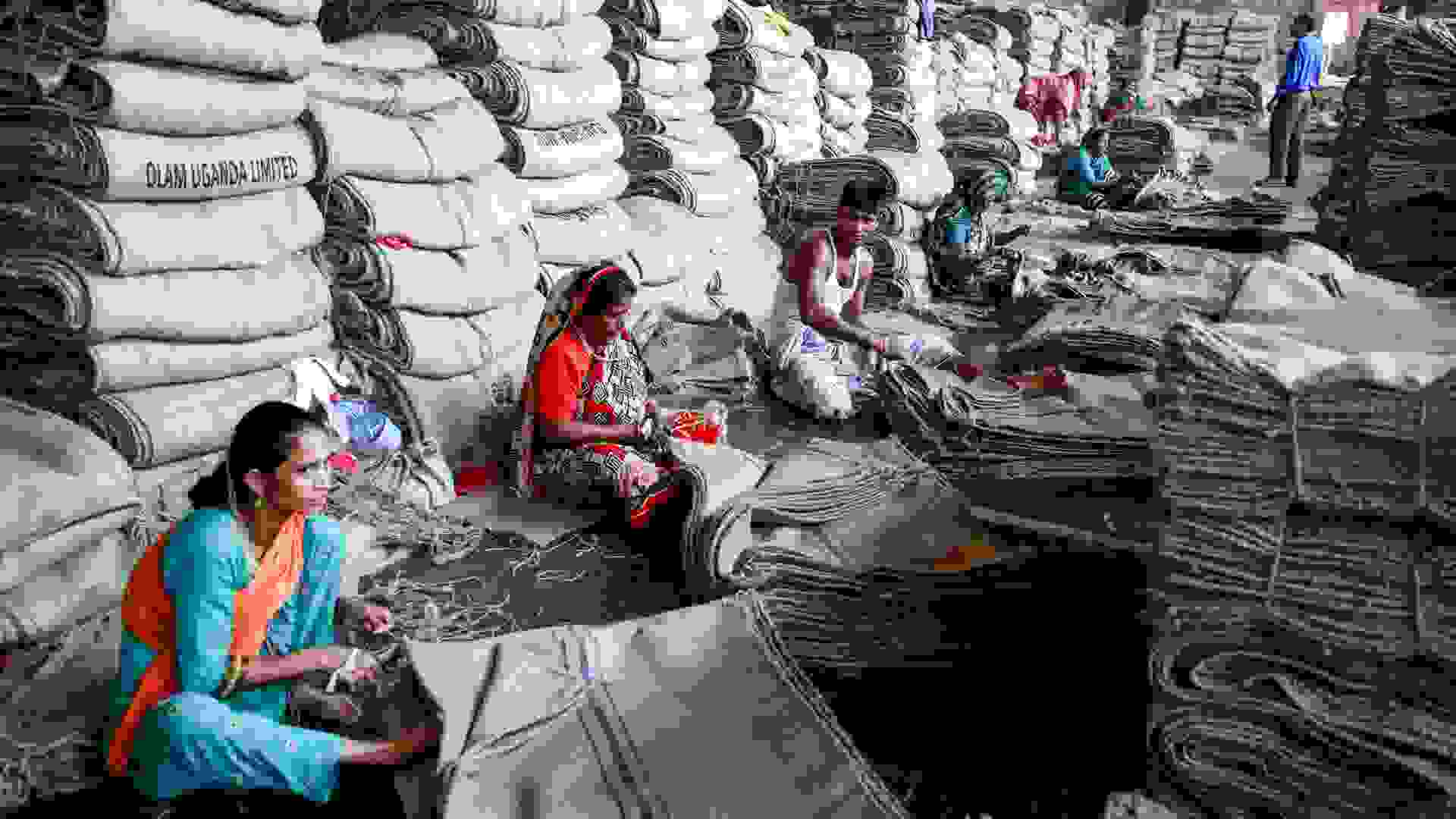
According to a year-long study of hundreds of workers in India, Cambodia and Bangladesh — conducted by Way Revolution and the C&A Foundation in February 2018 — workers in Bangladesh were treated unfairly. The written report, chosen "Garment Worker Diaries," found that although workers' net earnings were above the minimum monthly pay requirements, workers were non paid overtime wage. After factoring in that toll, the study found that workers didn't receive a legal hourly wage 64 percent of the fourth dimension.
Workers Abroad Are Forced to Piece of work Long Hours
During the aforementioned "Garment Workers Diaries" study, People's republic of bangladesh manufactory workers were forced to work long hours . The study found that these workers worked more than the sixty-hour legal limit per calendar week 53 percent of the time. And, in 2016, inspectors with the Off-white Labor Association establish that workers in a knitting factory located in Mainland china were working much more than the legal limit of overtime hours on a regular basis. Co-ordinate to the study, the legally required limit for overtime hours is 36 hours per month, just workers were regularly working 17 hours of overtime per calendar week.
Children Go Part of the Labor Force
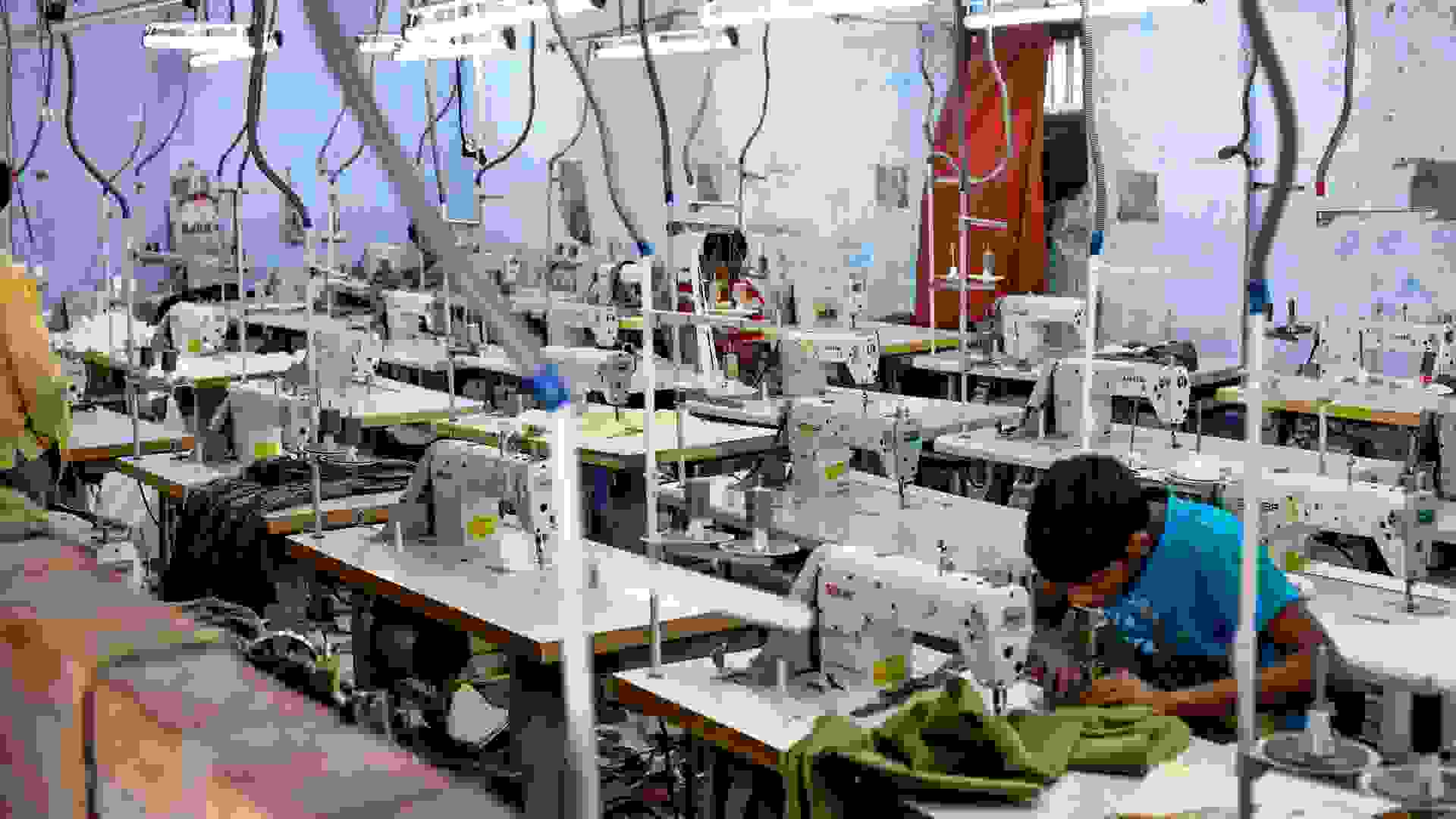
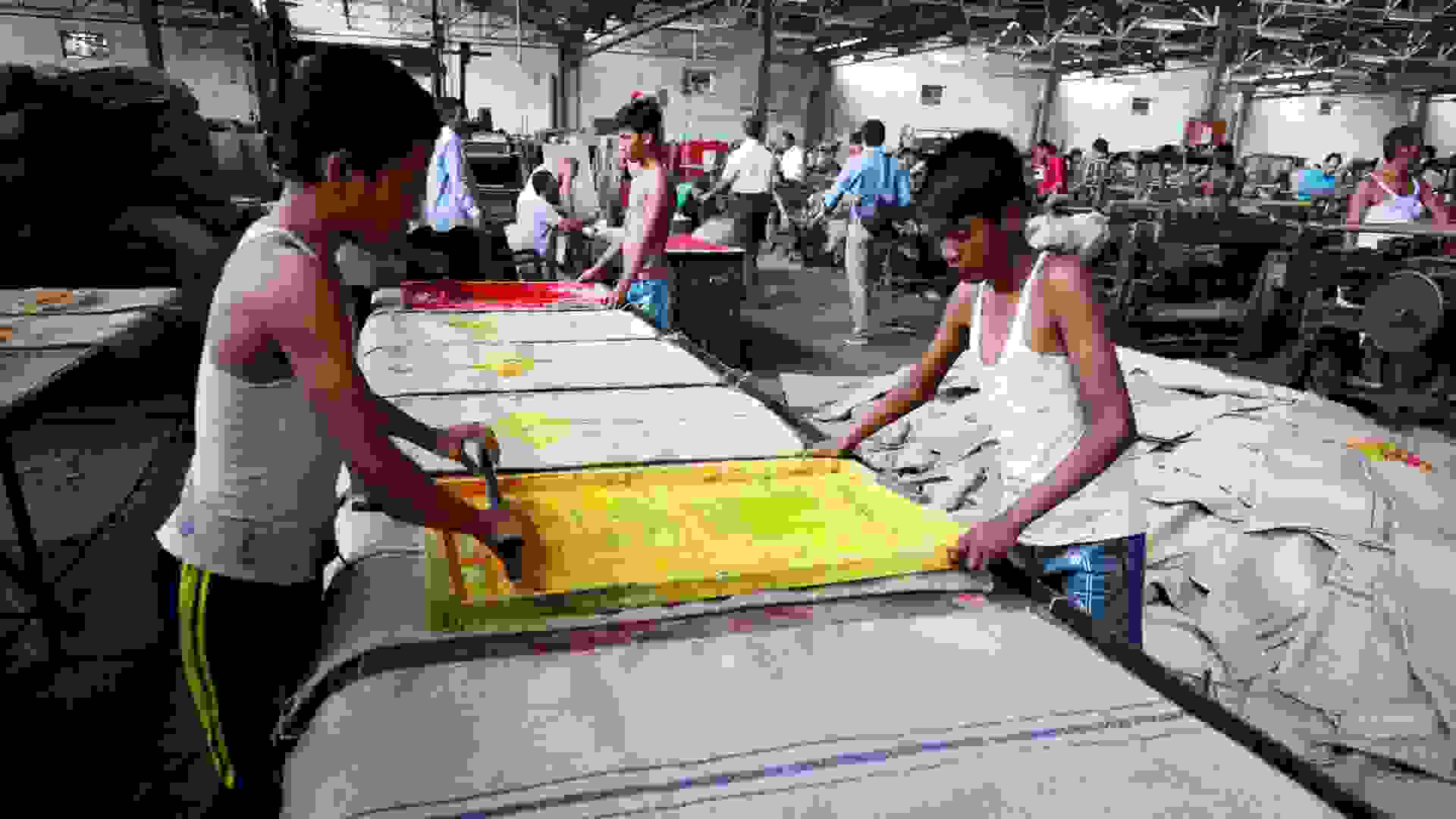
Countries like Bangladesh are then mired in poverty that children become to work in factories instead of attending school. And it's not uncommon for children to prevarication about their age to get a job .
In the 2018 New York Times opinion piece "The Real Cost of Inexpensive Shirts" by Cláudia Brandão, Brandão recounts her experiences during her recent visit to Bangladesh factories: "When we asked the ages of people sewing 'NYC' onto T-shirts, they turned away from us." And Brandão also reported that i factory owner confessed that he was unable to follow all the rules — fifty-fifty the ones that are related to the employment of children — because he would take to enhance prices.
Ways Yous Can Help
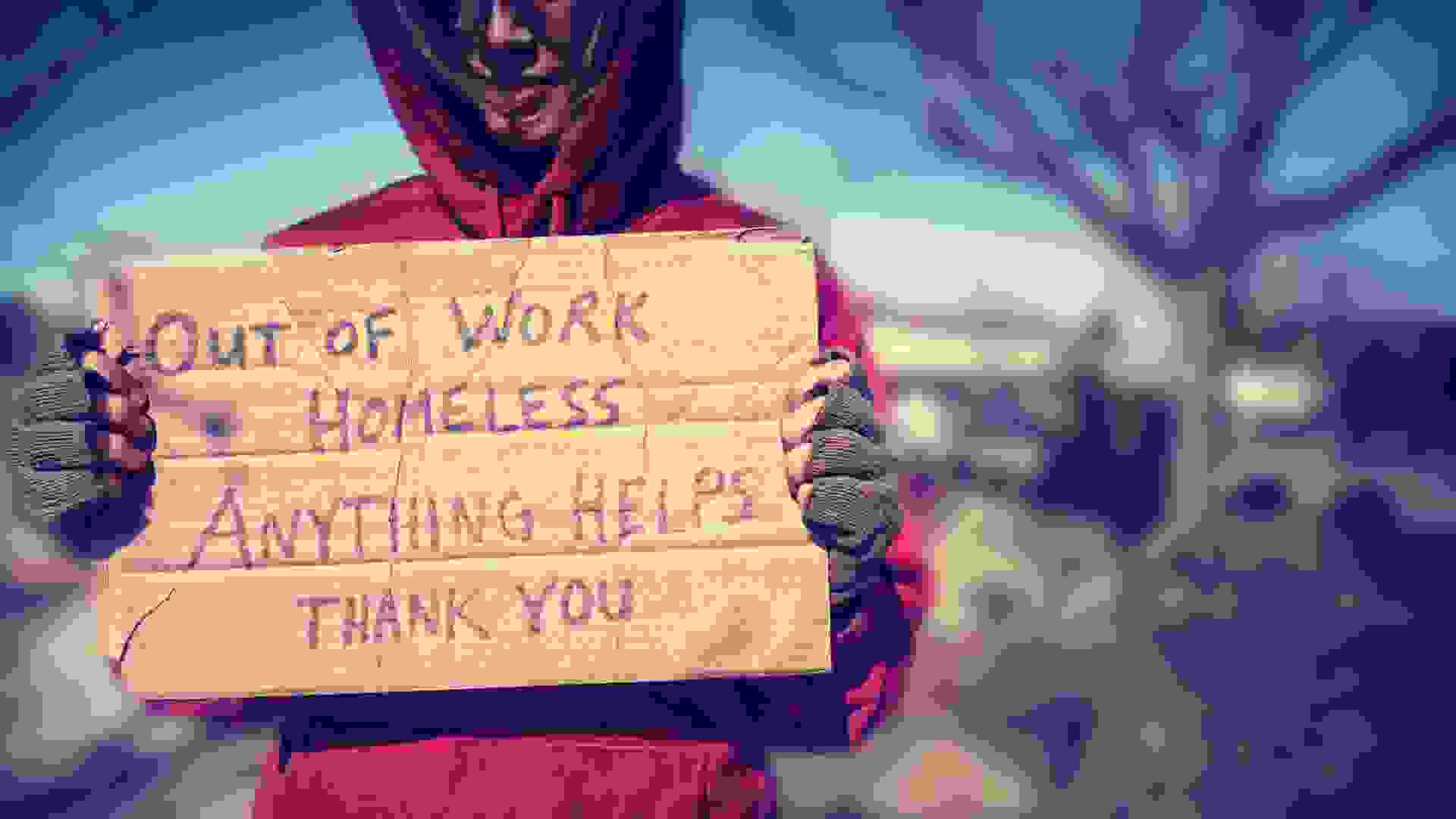
Now that you know the hidden costs of fast manner, here are some means you can help combat them. Start, opt for items of quality rather than frequenting cheap clothing stores for trendy pieces to cut downwards on the amount of disposable fashion yous swallow. Next, choose to find ways to donate your vesture to those in need or recycle them instead of having your unwanted garments cease upward in a landfill. For donations, check out Goodwill, The Salvation Ground forces or your local women'due south or homeless shelters. For recycling, check out USAgain to find a drove bin in your area.
More From GOBankingRates
- 20 Items to Avoid at Walmart
- 25 Stocks That Reached Their All-Time High This Year
- Travel Prep: 10 Financial To-Dos Before Going on a Trip
Well-nigh the Author







0 Response to "What Is the Cost for the Chanel Croisiere Fashion Show?"
Post a Comment